


Xylitol
CAS Numbers: 87-99-0
Appearance: White crystalline powder or granular, sweet taste, similar to sucrose
Storage and transportation characteristics: sealed, dry, ventilated, moisture-proof, avoid high temperature and direct sunlight
Type Of Transportation: By Air/By Sea/By Train/By Express
Xylitol, a naturally occurring pentitol (five-carbon sugar alcohol), has the chemical formula C5H12O5 and a molecular weight of 152.15. It is a white crystalline compound with a sweet taste, structurally similar to glucose but with a hydroxyl group (-OH) attached to each carbon atom. It is naturally present in fruits, vegetables, and plant fibers, and can also be industrially produced by the hydrogenation of xylose, which is derived from hemicellulose (such as corn cobs, sugarcane bagasse). In industry, it is usually sold as a white crystalline solid, powder, or granules, with high purity and no harmful additives; it is widely used in food, pharmaceutical, and daily chemical fields due to its low-calorie and non-cariogenic properties.
Xylitol is a natural sugar alcohol sweetener widely used as a low-calorie sugar substitute in food, beverage, oral care, and pharmaceutical applications. It is typically supplied as a white crystalline powder with excellent sweetness, cooling effect, and low glycemic response.
Chemical Properties and Performance Characteristics
Chemical Properties
Stability: Xylitol is highly stable under normal temperature and pressure, not easy to decompose, and has good compatibility with most food ingredients, pharmaceuticals, and cosmetics. It is a weakly acidic compound (pKa ~12.76) and does not undergo the Maillard reaction with amino compounds, which means it will not cause browning when mixed with proteins or amino acids during processing and storage. It is soluble in polar solvents and stable in aqueous solutions, not easily oxidized by air or light.
Thermal Stability: Its melting point is about 92–96 °C, and its boiling point is 215–217 °C. It is a crystalline solid at room temperature, with good thermal stability; it will melt when heated above its melting point and boil at its boiling point without obvious decomposition. It can withstand high temperatures during food processing (such as baking, boiling) without producing harmful substances, making it suitable for various food manufacturing processes.
Toxicity and Irritation: Xylitol is non-toxic and non-irritating to the human body. It is a safe food additive and can be metabolized in the human body without relying on insulin, making it suitable for diabetics. Ingestion of excessive amounts may cause mild gastrointestinal discomfort (such as bloating, diarrhea) due to its poor absorption in the intestines, but it is harmless to the human body in normal use. It has no irritation to the skin, eyes, or mucous membranes, and is safe for daily contact.
Performance Characteristics
Physical Appearance: It is a white crystalline solid, powder, or granules, odorless, with a sweet taste (about 1.2 times the sweetness of sucrose). It has good fluidity and is not easy to agglomerate when stored in a dry environment; it may absorb a small amount of moisture in humid air, so it is recommended to store it in a cool, dry, and sealed container.
Solubility: It is very soluble in water (168 g/100 mL at 25 °C), slightly soluble in ethanol, and insoluble in ether. Its aqueous solution is colorless and transparent, with a neutral to slightly acidic pH (5.0–7.0 for 10% aqueous solution). The solubility increases with the increase of temperature, which is convenient for preparation and use in various aqueous systems.
Sweetness and Caloric Value: Xylitol has a pure sweet taste, similar to sucrose but without the bitter aftertaste. Its caloric value is about 2.4 kcal/g, which is much lower than sucrose (4 kcal/g), making it an ideal low-calorie sweetener. It is non-cariogenic because it cannot be fermented by oral bacteria to produce acid, which can effectively prevent tooth decay.
Metabolic Characteristic: Unlike sucrose and glucose, xylitol can be metabolized in the human body without the participation of insulin, so it does not cause a significant increase in blood glucose levels. This characteristic makes it suitable for diabetics, obese people, and other groups that need to control sugar intake, and it is widely used in sugar-free food and pharmaceutical products.
Technical Data Sheet (Xylitol)
| Parameter | Value | PH Range | 4–8 |
| Melting point | 92–96 °C | Odor Threshold | No data available |
| Boiling point | 215–217 °C | Odor Type | Odorless |
| Density | 1.515 g/cm³ (25 °C) | Explosive limit | Not applicable |
| Vapor density | No data available | Water Solubility | 168 g/100 mL (25 °C) |
| Vapor pressure | 0.00247 mmHg (25 °C) | λmax | No UV absorption in visible range |
| Refractive index | 1.506 (20 °C) | JECFA Number | 213 |
| FEMA | 3326 | Merck | 14, 10158 |
| Fp (Flash point) | 210 °C (closed cup) | BRN | 1722428 |
| Storage temp. | Cool, dry place; sealed container | Henry’s Law Constant | No data available |
| Solubility | Very soluble in water; slightly soluble in ethanol; insoluble in ether | Exposure limits | No official OEL; avoid dust inhalation |
| Form | White crystalline solid / powder / granules | Dielectric constant | No data available |
| pKa | ~12.76 (weakly acidic) | Stability | Stable under normal conditions; non-reactive with amino compounds (no Maillard reaction) |
| Specific Gravity | 1.515 (25 °C) | LogP | -3.0 (estimated) |
| Color | White | CAS DataBase Reference | 87-99-0 (CAS Number) |
| PH | 5.0–7.0 (10% aqueous solution) | NIST Chemistry Reference | Xylitol (87-99-0) |
| Odor | Odorless | EPA Substance Registry System | 87-99-0 (CAS Number) |
Why Choose Us as Your Xylitol Manufacturer?
Stable large-scale production capacity
Food grade and USP grade available
HACCP / ISO / Halal / Kosher support
COA / MSDS / TDS available
Competitive bulk pricing
OEM private label packaging
Fast global shipping

Xylitol Sweetener Applications
Food Industry
Pharmaceutical Industry
Daily Chemical Industry
Healthcare Products
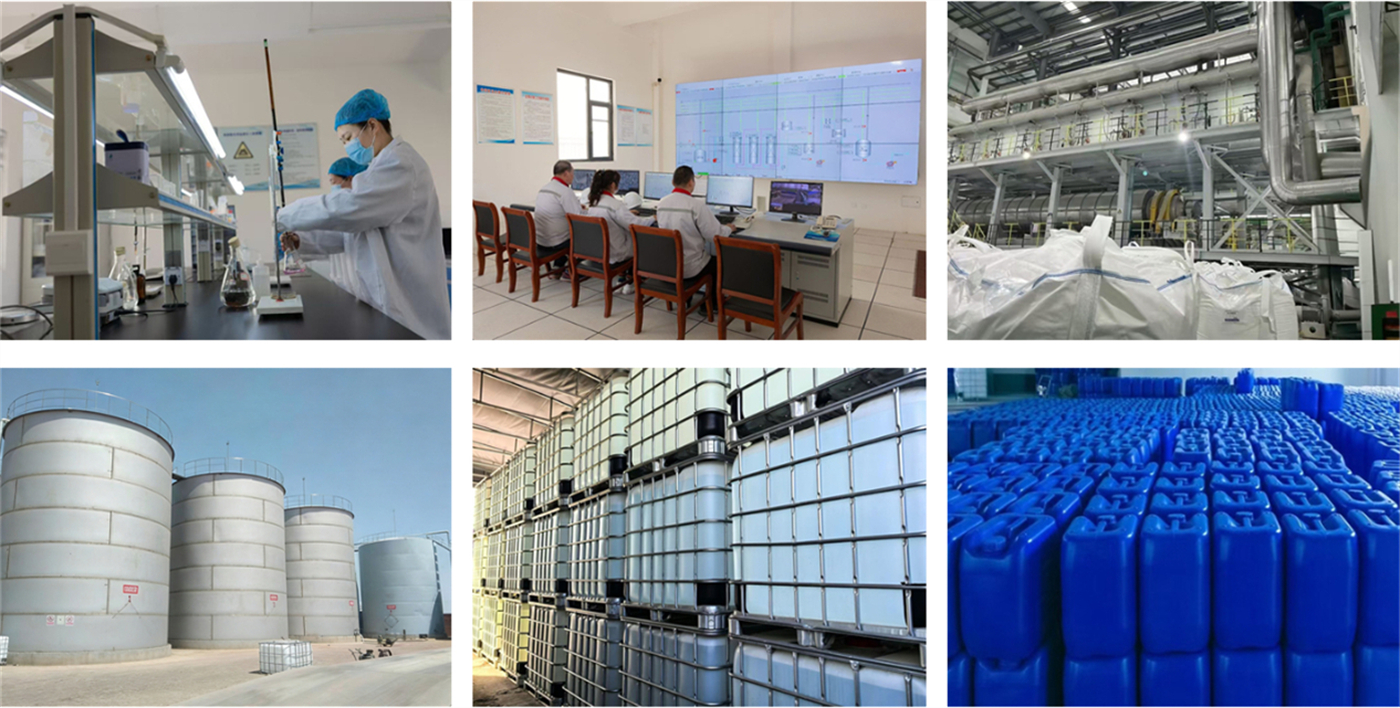
Our Factory
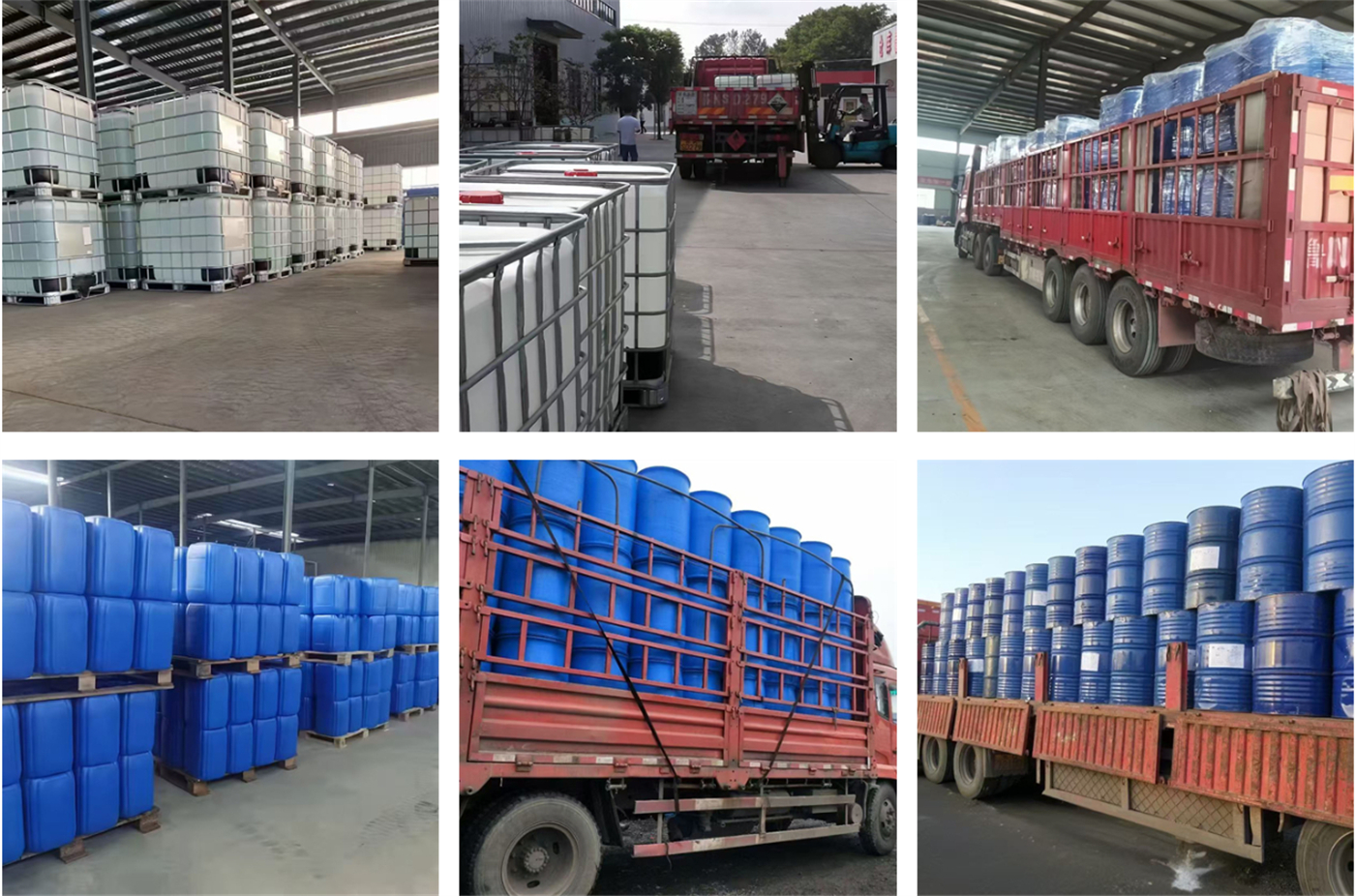
Packaging Method
 WhatsApp
 Wechat


Message
Name*
*Phone*
*Email*
*Message*
*Verification code