


N-Butyl Alcohol
CAS Numbers: 71-36-3
Appearance: Colorless transparent liquid, with characteristic alcohol odor
Storage and transportation characteristics: cool, well-ventilated, dry, fire-proof, keep away from oxidizing agents, acids and heat sources
Type Of Transportation: By Air/By Sea/By Train/By Express
What is N-Butyl Alcohol?
N-Butyl Alcohol, also known as 1-Butanol or n-Butanol, is a colorless, flammable liquid organic solvent with the molecular formula C4H10O.
It is widely used in coatings, paints, resins, plasticizers, cleaning agents, and chemical synthesis industries due to its excellent solvency and moderate evaporation rate.
N-Butyl Alcohol (also known as 1-Butanol, n-Butanol) is a linear, primary aliphatic alcohol with the chemical formula C₄H₁₀O (structural formula: CH₃(CH₂)₃OH) and a molecular weight of 74.12. It is a clear, colorless liquid at room temperature with a characteristic strong, fusel-oil-like alcoholic odor. As a versatile industrial chemical and solvent, it is produced primarily via hydroformylation of propylene or fermentation of sugars. It features a polar hydroxyl (-OH) group and a nonpolar butyl chain, granting it excellent solvency for both polar and nonpolar compounds, making it indispensable in coatings, chemical synthesis, and various manufacturing processes.
Chemical Properties and Performance Characteristics
Chemical Properties
Thermal Stability: Its melting point is -89.8 °C, and its boiling point is 117.7 °C. It is a liquid at ambient temperature with moderate volatility. It remains stable at processing temperatures below its boiling point; however, high temperatures or contact with catalysts may cause decomposition. It has a relatively high boiling point for a low-molecular-weight alcohol, contributing to its utility as a slow-evaporating solvent in industrial applications.
Toxicity and Irritation: N-Butyl Alcohol is moderately toxic and an irritant. Inhalation of its vapors irritates the respiratory tract, eyes, and skin, which may cause headache, dizziness, nausea, and central nervous system depression. Oral ingestion is harmful and can lead to gastrointestinal discomfort or more severe systemic effects. Prolonged skin contact causes defatting and irritation. It is not classified as a carcinogen but requires controlled occupational exposure to ensure safety.
Combustibility: N-Butyl Alcohol is a highly flammable liquid. Its closed-cup flash point is approximately 35 °C, and its autoignition temperature is 365 °C. Its vapors form explosive mixtures with air within the range of 1.4%–11.2% by volume. Vapors are heavier than air and can travel to ignition sources, posing fire and explosion risks in poorly ventilated areas, so it must be stored away from open flames and high-temperature heat sources.
Performance Characteristics
Physical Appearance: It is a colorless, mobile liquid with a strong, characteristic alcoholic/fusel odor. It is clear and free of suspended matter; it may develop slight yellowing upon aging or contamination, but pure n-butyl alcohol remains colorless under normal storage conditions.
Solubility: It is moderately soluble in water (7.7 g/100 mL at 20 °C) and miscible with ethanol, ether, acetone, benzene, and most other organic solvents. This dual solubility makes it an excellent mutual solvent for water-oil systems, widely used in formulations that require compatibility between polar and nonpolar components.
Physical Parameters: Its density is 0.8109 g/cm³ (20 °C), vapor pressure is 0.58 kPa (20 °C), refractive index is 1.3993 (20 °C), and viscosity is 2.573 mPa·s (25 °C). Its moderate evaporation rate balances coating flow and drying, making it particularly suitable for applications where a slow-evaporating solvent is needed to ensure proper film formation.
Solvency: Due to its polar hydroxyl group and nonpolar butyl chain, n-butyl alcohol exhibits strong solvency for a wide range of substances, including resins, oils, waxes, and organic compounds. This property makes it a key solvent in coatings, inks, and adhesives, as it can effectively dissolve and disperse various raw materials.
Technical Data Sheet (N-Butyl Alcohol)
| Parameter | Value | PH Range | 6–8 |
| Melting point | -89.8 °C | Odor Threshold | ~10 ppm |
| Boiling point | 117.7 °C | Odor Type | Alcoholic, fusel-like |
| Density | 0.8109 g/cm³ (20 °C) | Explosive limit | 1.4%–11.2% (volume in air) |
| Vapor density | 2.55 (air = 1) | Water Solubility | 7.7 g/100 mL (20 °C) |
| Vapor pressure | 0.58 kPa (20 °C) | λmax | No UV absorption in visible range |
| Refractive index | 1.3993 (20 °C) | JECFA Number | 1156 |
| FEMA | 3269 | Merck | 14, 1500 |
| Fp (Flash point) | 35 °C (closed cup) | BRN | 1730738 |
| Storage temp. | Cool, dry place; sealed container, away from heat/ignition sources | Henry’s Law Constant | 1.27×10⁻⁴ atm·m³/mol (25 °C) |
| Solubility | Moderately soluble in water; miscible with ethanol, ether, acetone, benzene | Exposure limits | TLV-TWA 50 ppm (150 mg/m³); IDLH 800 ppm |
| Form | Colorless liquid | Dielectric constant | 17.5 (20 °C) |
| pKa | 16.10 (25 °C) | Stability | Stable under normal conditions; incompatible with strong oxidizers, acids, bases |
| Specific Gravity | 0.8109 (20 °C) | LogP | 0.84 (25 °C) |
| Color | Colorless | CAS DataBase Reference | 71-36-3 (CAS Number) |
| PH | ~7 (neutral, aqueous solution) | NIST Chemistry Reference | 1-Butanol (71-36-3) |
| Odor | Strong alcoholic/fusel odor | EPA Substance Registry System | 71-36-3 (CAS Number) |
N-Butyl Alcohol Applications
N-Butyl Alcohol is a high-volume industrial chemical used as a solvent and chemical intermediate across key sectors, valued for its excellent solvency, moderate volatility, and reactivity. Its main applications are as follows:
● Coatings & Inks Industry
It is a primary solvent for surface coatings, varnishes, lacquers, and enamels (including acrylic, alkyd, epoxy, and melamine resins). It improves flow, leveling, gloss, and adhesion of coating films, making it ideal for wood, automotive, and industrial finishes. In the printing ink industry, it is used in gravure and flexographic inks to ensure good pigment wetting, dispersion, and print quality, as well as to adjust the drying rate.
● Chemical Intermediate
N-Butyl Alcohol is a key feedstock for manufacturing a variety of chemicals, including butyl acetate (a common solvent), dibutyl phthalate (DBP, a plasticizer), butyl acrylate (used in polymers), glycol ethers, and surfactants. It is also widely used in the synthesis of amino resins, pharmaceuticals, and agrochemicals, serving as a foundational building block in organic synthesis.
● Adhesives & Sealants
It is used as a solvent in polyvinyl acetate (PVA), polyurethane, and rubber-based adhesives. It adjusts the viscosity of adhesive formulations, improves open time (the time available to bond materials after application), and enhances bond strength, making it suitable for a wide range of bonding applications in construction, packaging, and industrial manufacturing.
● Pharmaceuticals & Cosmetics
In the pharmaceutical industry, it serves as an extraction and synthesis solvent in the production of antibiotics, hormones, and vitamins. It is also added to oral preparations (such as tablets, capsules, syrups, and mouthwashes) as a solvent and taste improver, making drugs easier to take. In cosmetics and personal care products (such as perfumes, nail care products, and lotions), it acts as a solvent and viscosity adjuster, helping to blend ingredients and improve product texture.
● Other Fields
N-Butyl Alcohol is used for industrial cleaning and degreasing, particularly for removing oil, wax, and other contaminants from metal surfaces. It is also a component of hydraulic brake fluids, a processing aid in textile manufacturing (to improve fiber softness and dye uptake), and a flavoring agent in food (in small, regulated amounts). In laboratories, it is a common solvent for extraction, chromatography, and organic synthesis experiments.
Industries We Serve
coatings manufacturers
paint factories
adhesive producers
plasticizer manufacturers
chemical distributors
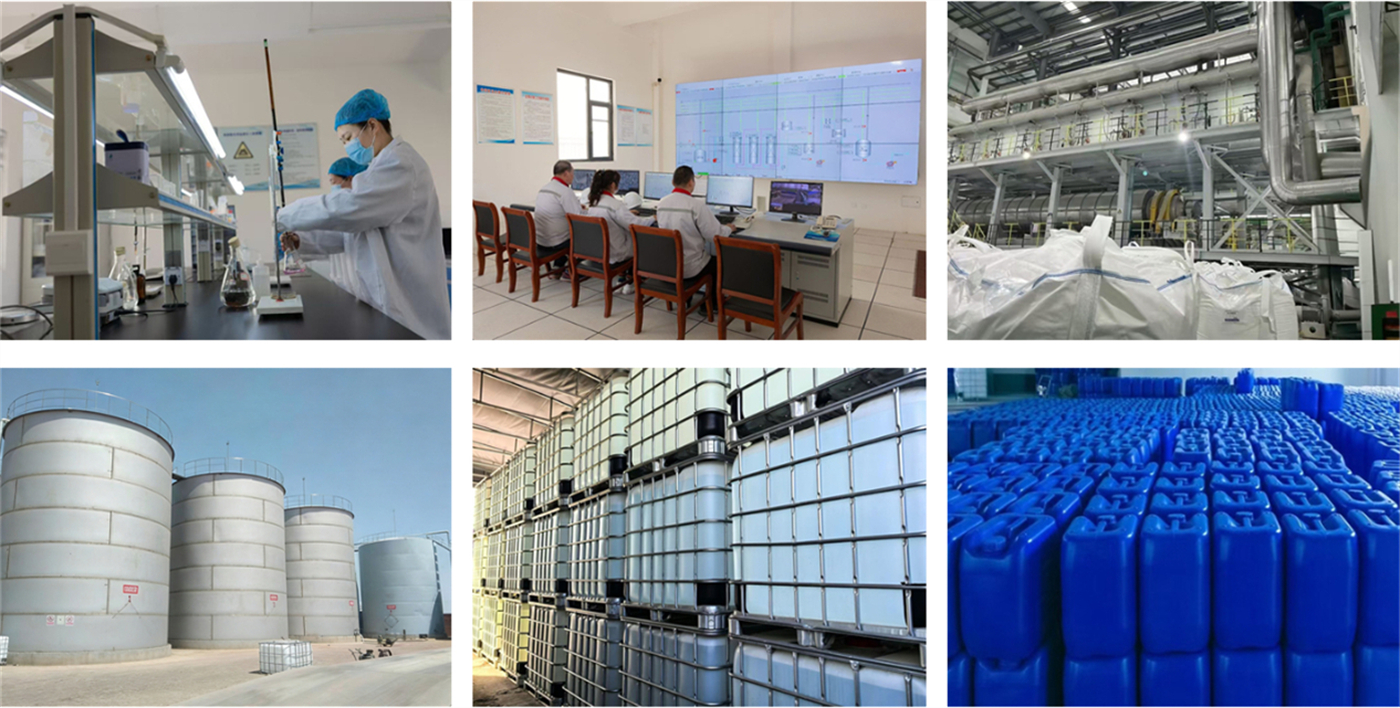
Our Factory
High purity and stable quality
Competitive bulk pricing
COA / MSDS / TDS available
OEM packaging support
Fast global export
ISO compliant production
Factory direct supply
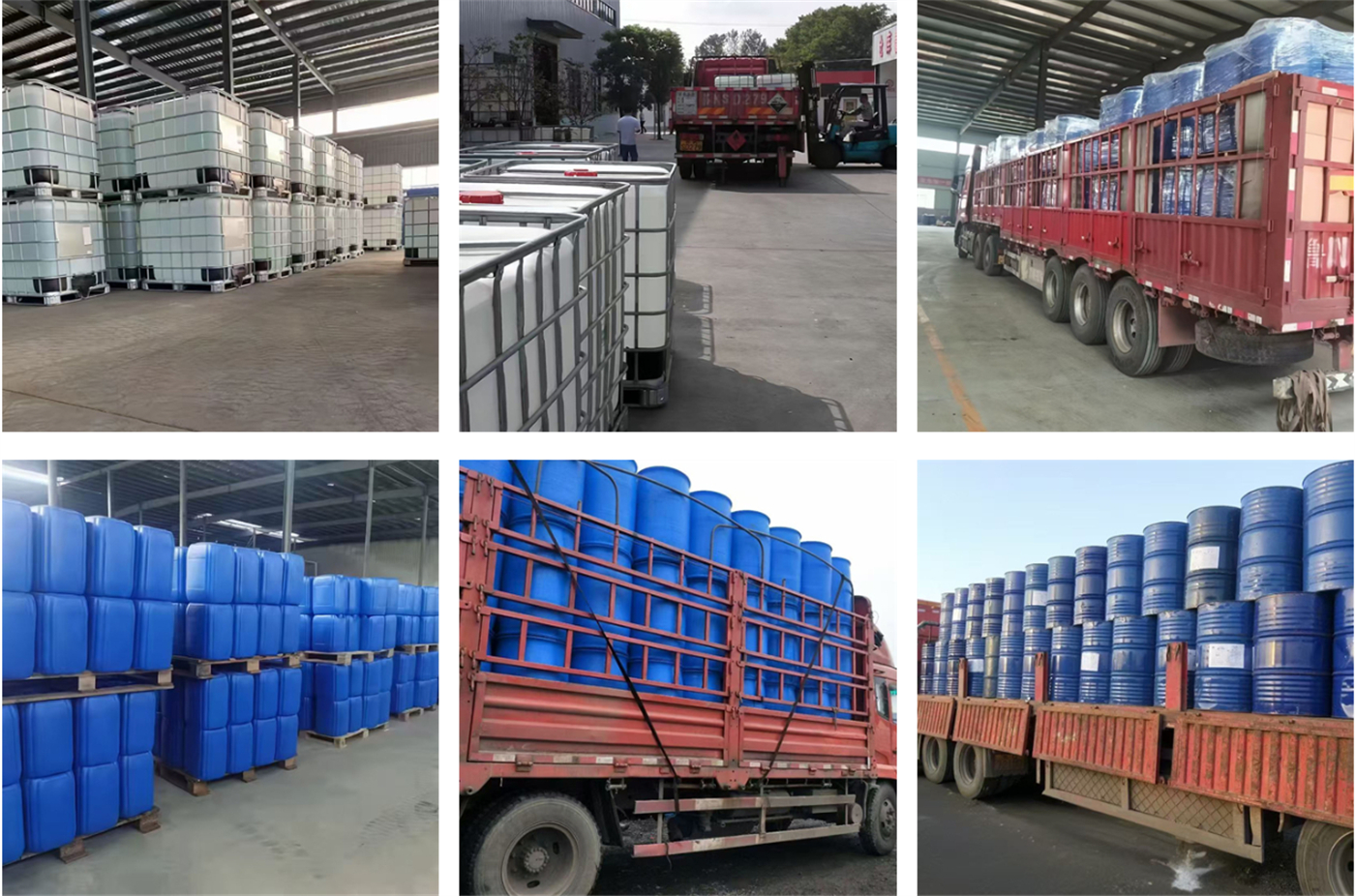
Packaging Method
160KG drum
170KG drum
IBC tank
ISO tank
bulk tanker shipment
 WhatsApp
 Wechat


Message
Name*
*Phone*
*Email*
*Message*
*Verification code