


Cetyl Trimethyl Ammonium Chloride
CAS No.: 112-02-7
Molecular Weight: ≈ 320.0 g/mol
Molecular Formula: C₁₉H₄₂ClN
Appearance: White to off-white waxy solid, paste, or flakes. Often supplied as an aqueous solution.
Storage and transportation characteristics: low temperature, ventilation, dryness, waterproof, moisture-proof
Type Of Transportation:By Air/By Sea/By Train/By Express
Cetyl Trimethyl Ammonium Chloride (CTAC), also known as Cetrimonium Chloride, is a fundamental and widely-used cationic surfactant. With its well-balanced 16-carbon alkyl chain, it serves as a critical ingredient in personal care, pharmaceuticals, and industrial applications, prized for its conditioning, emulsifying, and antimicrobial properties.
Cetyl Trimethyl Ammonium Chloride (CTAC) is a widely used quaternary ammonium cationic surfactant, valued for its excellent emulsifying, antistatic, and phase-transfer capabilities. It is commonly applied in cosmetic formulations, industrial surface treatments, and fine chemical synthesis. As a professional cetyl trimethyl ammonium chloride supplier, we provide high-quality CTAC for global industrial and formulation applications.
Cetyl Trimethyl Ammonium Chloride (CTAC) Chemical Formula and Structure
Key Structural Features:
A positively charged nitrogen (ammonium) center is bonded to three methyl groups and one cetyl (hexadecyl, C16) chain, with a chloride counterion. This structure provides the ideal amphiphilic character for numerous surface-active functions.
CAS: Cas No 112 02 7
Chemical Properties and Performance
CTAC's efficacy stems from its distinct physicochemical profile, making it a versatile performer. The table below summarizes its core properties.
• Excellent solubility in water and alcohol
• Strong cationic surface activity
• Compatible with cationic and non-ionic surfactants
• Provides good stability across a wide pH range
• Typical active content: 30% / 50% / customized
Applications of Cetyl Trimethyl Ammonium Chloride
Leveraging its cationic and surfactant properties, CTAC finds extensive use across multiple industries.
• Hair conditioners and hair masks
• Fabric softeners
• Antistatic agents in personal care formulations
• Emulsifiers for oil-in-water systems
• Its cationic nature allows it to strongly adsorb onto negatively charged surfaces, improving conditioning performance.
Industrial & Chemical Applications
• Phase transfer catalyst in organic synthesis
• Antistatic agent for plastics and fibers
• Emulsifier and dispersing agent in coatings and emulsions
• Intermediate in fine chemicals and surfactant formulations
Our Factory
Packaging Method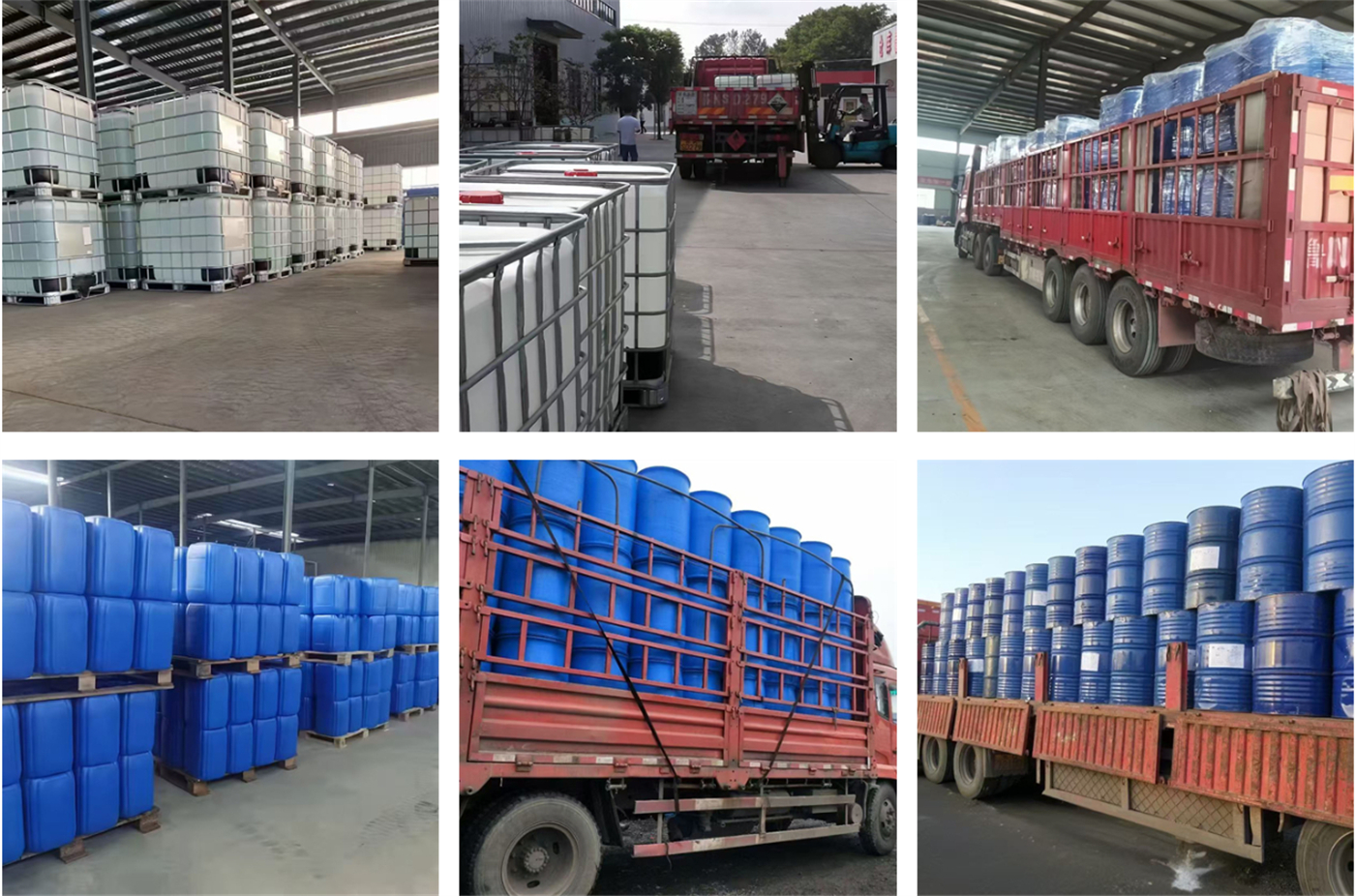
Safety, Storage & Handling
Safety Information
Use appropriate personal protective equipment
Avoid direct contact with eyes and skin
Follow MSDS guidelines during handling and transport
Storage Conditions
Store in a cool, dry, well-ventilated area
Keep container tightly closed
Avoid strong oxidizing agents
For pricing, specifications, MSDS, or bulk supply inquiries, please contact us with your required grade, quantity, and destination port.
 WhatsApp
 Wechat


Message
Name*
*Phone*
*Email*
*Message*
*Verification code